
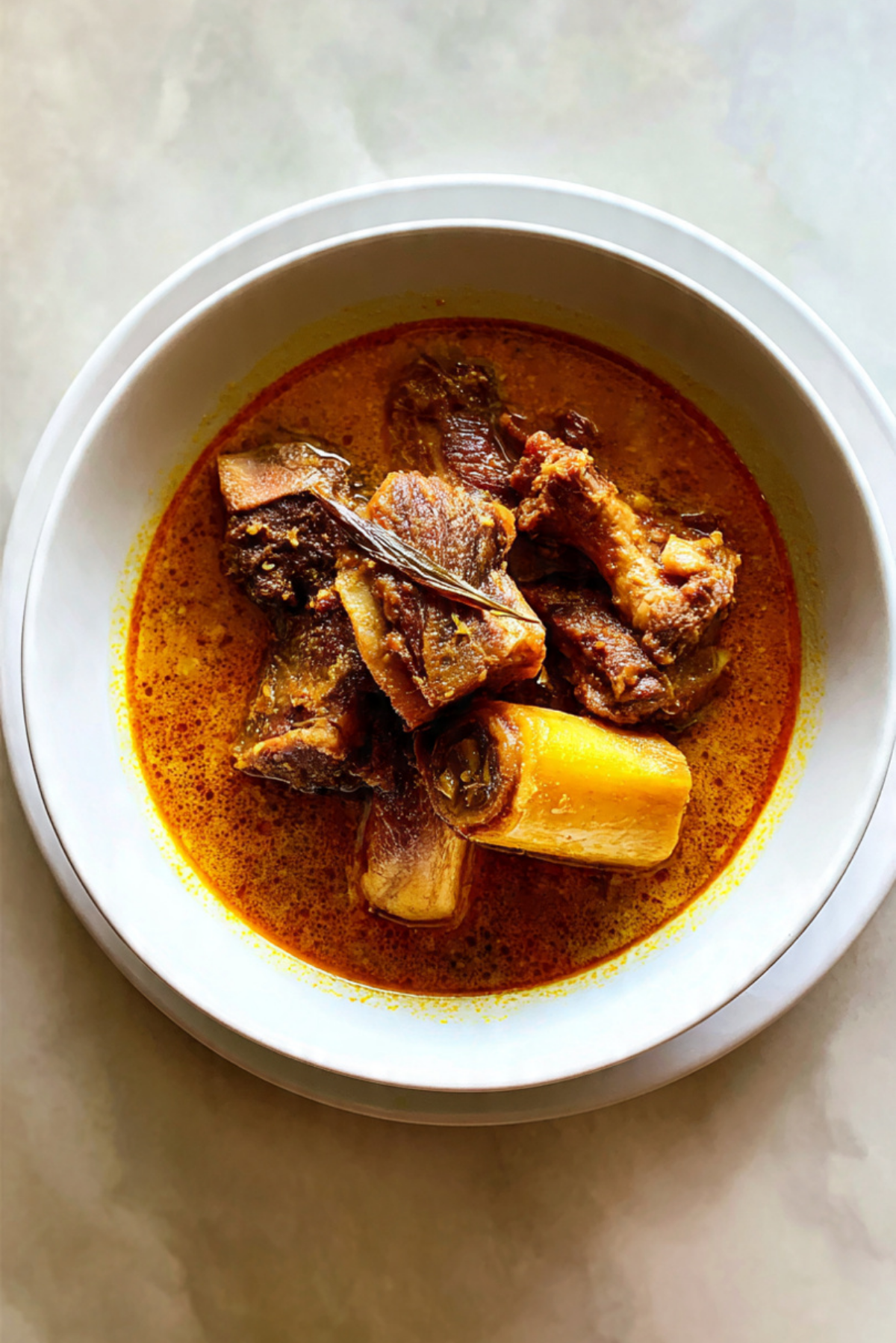
There’s something deeply comforting about a steaming bowl of khashi. The rich aroma of slow-cooked meat fills the air as the broth simmers gently, coaxing every bit of flavor from bone and tripe. With each spoonful, you can taste generations of tradition, hearty nourishment, and soul-warming goodness. This is not just food, it’s an experience — one that sticks with you long after the last sip.
Behind the Recipe
The memory of khashi always takes me back to chilly winter mornings, where the kitchen was already buzzing before sunrise. My grandfather would rise early to start the simmer, patiently tending the pot as the tripe softened and the broth grew richer by the hour. It wasn’t a fancy dish, but it had a sacred place on the table — a warm, savory ritual that united everyone. The first taste always felt like a reward for patience, and even today, making it feels like stepping back into those timeless moments.
Recipe Origin or Trivia
Khashi hails from the heart of Georgian and Armenian culinary traditions, where it’s often considered more than just a meal. Traditionally served as a morning restorative after celebrations, it’s revered for its supposed healing qualities, especially for digestion and hangovers. In Georgia, khashi is treated almost ceremoniously, usually enjoyed with garlic, vinegar, and slices of soft bread. Its cultural roots run deep, especially in the colder months when a hearty soup is not just welcomed but necessary.
Why You’ll Love Khashi
This dish may be simple, but trust me, it brings big rewards.
Versatile: You can play with the seasoning and toppings — from vinegar and garlic to chili and salt — to suit your palate.
Budget-Friendly: With humble ingredients like tripe and beef bones, it’s surprisingly economical for how satisfying it is.
Quick and Easy: While it simmers for hours, your actual work time is minimal — just let the pot do its thing.
Customizable: Add more garlic, skip the salt, toss in herbs — it’s your bowl, your rules.
Crowd-Pleasing: It may surprise you, but even newcomers fall for khashi’s deep, meaty flavor.
Make-Ahead Friendly: This soup tastes even better the next day once the flavors deepen.
Great for Leftovers: Just reheat and enjoy — it doesn’t lose its magic.
Chef’s Pro Tips for Perfect Results
Getting khashi just right doesn’t require fancy techniques, just patience and care.
- Soak the tripe overnight: This removes any strong odors and helps tenderize it before cooking.
- Blanch before simmering: A quick boil and rinse gives you a cleaner-tasting broth.
- Low and slow is key: Let the broth simmer gently for hours to draw out that rich gelatin.
- Don’t skip the vinegar and garlic: They’re traditional toppings for a reason — they brighten and balance the dish.
- Serve piping hot: This soup is best when it’s nearly too hot to sip.
Kitchen Tools You’ll Need
You don’t need a full chef’s kitchen, just a few essentials.
Large stockpot: Essential for fitting all the bones and tripe and giving them room to simmer.
Sharp knife: For trimming the tripe and cutting any connective tissue.
Slotted spoon: Helps skim off impurities from the surface of the broth.
Mesh strainer: Useful for a clean broth if you prefer it without solids.
Cutting board: Keep one dedicated to meat for safety and hygiene.
Ingredients in Khashi
The beauty of khashi lies in how these ingredients transform through time and heat.
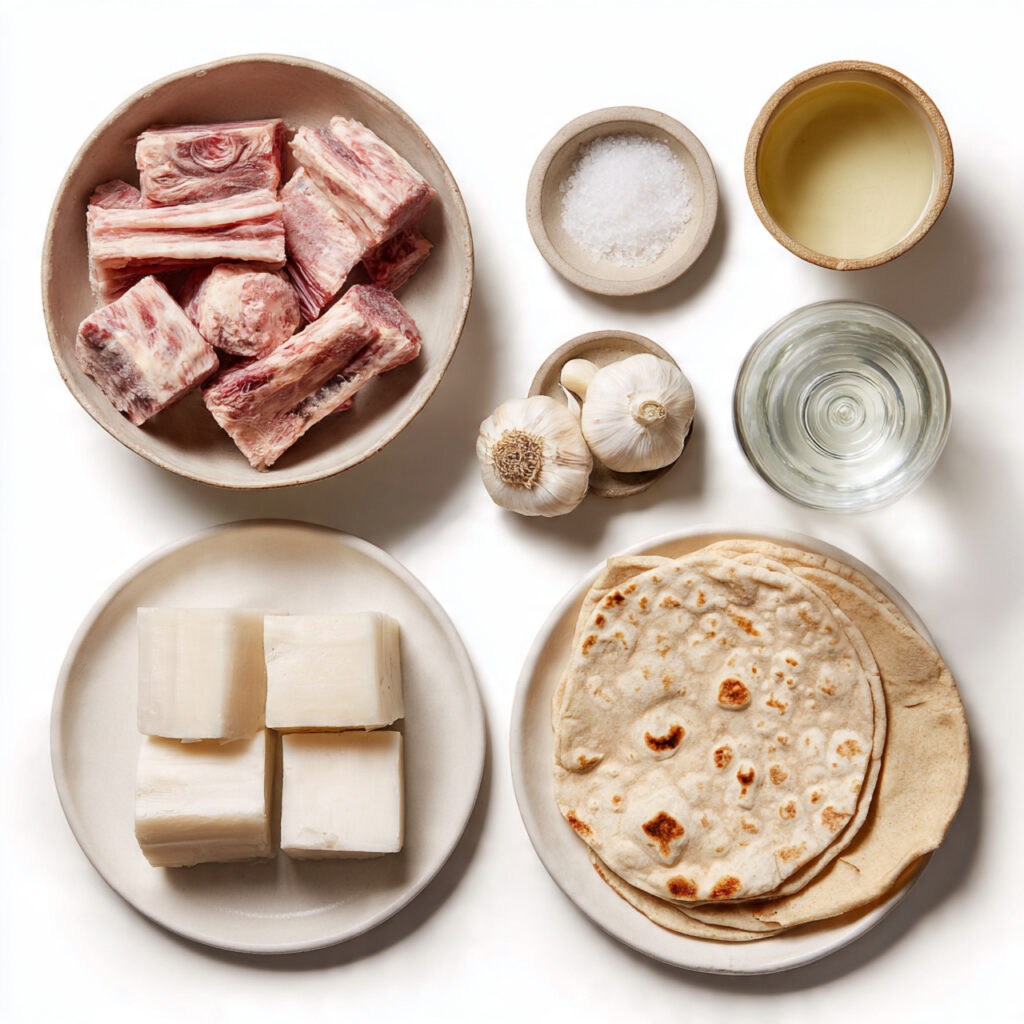
- Beef Tripe: 2 pounds, thoroughly cleaned and cut into strips. This is the soul of khashi, giving it its signature texture and rich body.
- Beef Bones with Marrow: 1.5 pounds, raw. These release deep flavors and gelatin into the broth, giving it richness.
- Water: 12 cups, cold. The base for your slow-simmered broth.
- Salt: 1 tablespoon. Brings all the flavors together.
- Garlic: 5 cloves, finely chopped or crushed. Used as a topping to add heat and pungency.
- White Vinegar: To taste. A traditional addition just before serving for a bright acidic kick.
- Flatbread or Lavash: Optional, for dipping and soaking up the broth.
Ingredient Substitutions
Sometimes you need to work with what you have, and that’s totally okay.
Beef Tripe: Lamb tripe or veal tripe can be used for a milder flavor.
Beef Bones: Use veal bones or oxtail if that’s what’s available.
White Vinegar: Apple cider vinegar works in a pinch.
Garlic: Garlic paste or roasted garlic gives a different, but delicious twist.
Ingredient Spotlight
Beef Tripe: Often misunderstood, tripe is the edible stomach lining of a cow. When cleaned and cooked correctly, it becomes tender and slightly chewy, absorbing the broth’s flavor beautifully.
Beef Marrow Bones: These release collagen and depth into the broth, making it silky and comforting without needing cream or butter.
Instructions for Making Khashi
There’s a peaceful rhythm to making khashi. Let’s walk through it together.
- Preheat Your Equipment: No need to preheat, but ensure your stockpot is clean and ready.
- Combine Ingredients: Add beef bones and tripe into the pot. Cover with cold water and bring to a boil.
- Prepare Your Cooking Vessel: Once boiling, discard the first water to remove impurities. Refill with fresh water and bring to a low simmer.
- Assemble the Dish: Let the soup simmer uncovered for 6 to 8 hours, skimming off any foam or fat as needed.
- Cook to Perfection: The tripe should become soft and gelatinous. Salt to taste during the last hour of cooking.
- Finishing Touches: Serve hot in bowls with a small dish of minced garlic and vinegar on the side.
- Serve and Enjoy: Ladle soup into bowls, invite everyone to customize with toppings, and serve with warm bread.
Texture & Flavor Secrets
Khashi is a dish of contrast. The broth is silky and rich, thanks to marrow and collagen. The tripe offers a tender chewiness that soaks up every bit of flavor. A sharp hit of garlic and vinegar cuts through the richness, waking up your taste buds with every bite.
Cooking Tips & Tricks
A few tricks can make all the difference.
- Always soak the tripe overnight with lemon or vinegar water to clean it thoroughly.
- Skim the broth regularly for clarity and depth of flavor.
- Simmer uncovered to allow the broth to reduce and intensify.
What to Avoid
Even with its rustic nature, khashi deserves care.
- Don’t skip the initial boil and rinse — it removes unwanted odors.
- Avoid rushing the cooking — low and slow is the only way.
- Don’t overseason early. Let the flavors build naturally and season at the end.
Nutrition Facts
Servings: 6
Calories per serving: 380
Note: These are approximate values.
Preparation Time
Prep Time: 20 minutes
Cook Time: 8 hours
Total Time: 8 hours 20 minutes
Make-Ahead and Storage Tips
Khashi is a great make-ahead dish. In fact, it often tastes better the next day. You can store it in the fridge for up to 4 days or freeze it in portions for up to 3 months. Reheat slowly on the stove for best texture and flavor.
How to Serve Khashi
Traditionally, khashi is served piping hot with a small plate of minced garlic and vinegar for each guest. Flatbread or lavash is perfect for dipping and balancing the richness. A glass of mineral water or a warm herbal tea rounds out the meal beautifully.
Creative Leftover Transformations
Give your khashi a second life.
- Reduce the broth slightly and turn it into a base for a rich stew.
- Use leftovers to make a grain bowl with rice, pickled onions, and garlic oil.
- Blend a portion into a creamy soup with added potato and herbs.
Additional Tips
- Fresh herbs like cilantro or parsley can add brightness.
- Warm your serving bowls to keep the soup hot longer.
- Let the soup rest 10 minutes before serving so the flavors settle.
Make It a Showstopper
Presentation matters. Use wide, shallow white bowls for contrast. Add a small glass ramekin with garlic and vinegar beside each bowl. Place soft flatbread in a basket lined with linen for a rustic feel. Let that steam rise — it’s part of the charm.
Variations to Try
- Spiced Khashi: Add crushed chili flakes or black pepper for extra heat.
- Herbed Version: Toss in bay leaf and parsley stems during the simmer for a subtle herbaceous note.
- Bone Broth Boost: Use additional marrow bones for a thicker, silkier texture.
- Garlic Lover’s Delight: Roast garlic and blend it into the broth for a richer flavor.
- Pickled Topper: Add a spoonful of pickled vegetables on top for crunch and zing.
FAQ’s
Q1: Can I make khashi in a pressure cooker?
A1: Yes, but the long simmer is part of what develops the flavor. Pressure cooking can cut time but may sacrifice depth.
Q2: What does tripe taste like?
A2: It’s mild and slightly earthy, with a chewy, sponge-like texture that absorbs broth flavor.
Q3: Can I use chicken or fish instead?
A3: Not really. Khashi relies on beef tripe and marrow bones for its unique texture and taste.
Q4: How do I clean tripe properly?
A4: Soak overnight in vinegar or lemon water, then rinse thoroughly before cooking.
Q5: Is khashi healthy?
A5: It’s protein-rich and high in collagen but also contains fat. Balance it with fresh sides.
Q6: Can I freeze khashi?
A6: Absolutely. Freeze in airtight containers and thaw gently before reheating.
Q7: What should I serve with khashi?
A7: Soft bread, garlic, vinegar, and tea are traditional and complement the dish well.
Q8: Can I make it vegetarian?
A8: Khashi is inherently meat-based, so a vegetarian version wouldn’t capture the same flavors.
Q9: Does it smell strong?
A9: When cleaned well, the tripe’s smell is minimal and the broth smells rich and inviting.
Q10: Is it kid-friendly?
A10: It depends on the child. The texture may be new for some, but the flavor is mild.
Conclusion
Khashi is not just a meal — it’s an experience passed down through time. Whether you’re honoring tradition or simply chasing comfort, this soup delivers. Rich, hearty, and deeply nourishing, it’s the kind of dish that turns a quiet morning into something special. So go ahead, ladle up a bowl and savor the warmth. You’ve earned it.
Print
Khashi
- Prep Time: 20 minutes
- Cook Time: 8 hours
- Total Time: 8 hours 20 minutes
- Yield: 6 servings 1x
- Category: Soups & Stews
- Method: Simmering
- Cuisine: Georgian
Description
A traditional Georgian-Armenian tripe soup, khashi is a rich, slow-simmered comfort food made from beef tripe and marrow bones. Its silky broth, garlic topping, and vinegar kick create a deeply satisfying and warming experience.
Ingredients
- 2 pounds beef tripe, cleaned and cut into strips
- 1.5 pounds beef bones with marrow, raw
- 12 cups cold water
- 1 tablespoon salt
- 5 cloves garlic, finely chopped or crushed
- White vinegar, to taste
- Flatbread or lavash, optional for serving
Instructions
- Add beef tripe and marrow bones to a large stockpot and cover with cold water. Bring to a boil.
- Once boiling, discard the water to remove impurities. Refill with fresh cold water.
- Bring to a gentle simmer and cook uncovered for 6 to 8 hours, skimming the foam and fat as needed.
- Add salt during the last hour of simmering to season the broth.
- Once the tripe is tender and the broth is gelatinous, remove from heat.
- Serve hot in bowls with garlic and vinegar on the side. Enjoy with flatbread if desired.
Notes
- Soak tripe overnight in lemon or vinegar water for best results.
- Roast the garlic for a milder, sweeter flavor option.
- Let soup rest 10 minutes before serving to let the flavors settle.
- Make ahead and refrigerate overnight for even richer flavor the next day.
Nutrition
- Serving Size: 1 bowl
- Calories: 380
- Sugar: 0g
- Sodium: 480mg
- Fat: 26g
- Saturated Fat: 10g
- Unsaturated Fat: 14g
- Trans Fat: 0g
- Carbohydrates: 2g
- Fiber: 0g
- Protein: 32g
- Cholesterol: 145mg